
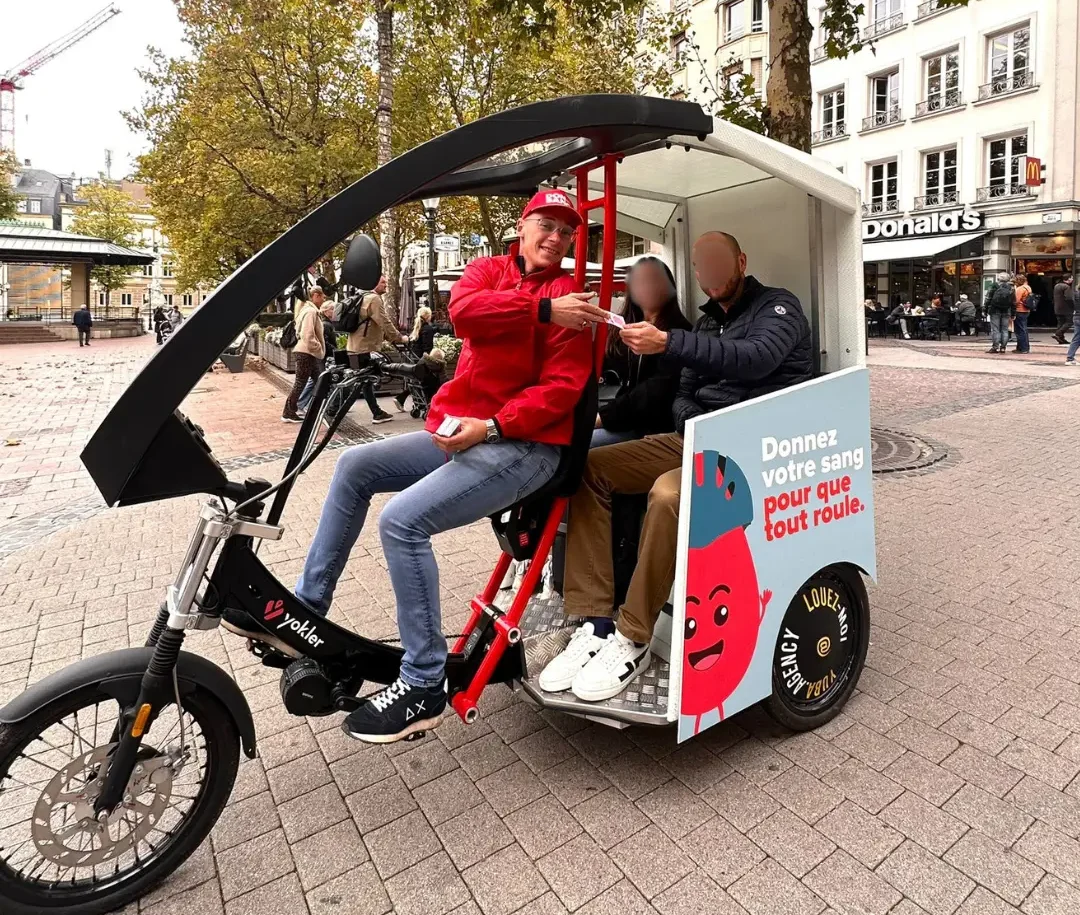
At first glance, urban marketing can seem simple to set up. All it takes is a message, a medium and a little visibility to go out and meet the public. Yet reality is more complex. In an environment in constant motion, where passers-by are solicited from all sides, the ability to capture attention becomes a real challenge. A campaign can look well thought out on paper but lose all its effectiveness once on the ground. Some mistakes, sometimes subtle, are enough to sharply reduce its impact. So here are 3 mistakes to avoid in urban marketing.
1. Poor targeting
A fairly common mistake is addressing an audience that doesn’t feel the message is for them. A message, however good, won’t attract attention if the people present aren’t the right target.
In the street, everything moves very fast. Passers-by don’t take time to analyse what is offered to them. They react almost instantly. If the message doesn’t concern them directly, they ignore it without even noticing. So the problem isn’t always the content, but the mismatch between the content and the audience.
This lack of targeting can quickly make urban marketing ineffective. Even with a good hook or an attractive set-up, the impact will remain limited if the right people aren’t there.
To avoid this, it is essential toplan ahead. First you need to clearly define your target : who are the people you want to reach, what are their needs, their habits and the places they pass through. Next, it is important toidentify the places where this target is actually present such as school gates, events, shopping areas, leisure venues and so on.
That’s why the choice of location and the timing is essential. An effective action depends above all on the ability to go where your target really is, at the moment they are most receptive.
2. Lacking a visual hook
In the street, everything starts with the eye. Passers-by don’t take the time toanalyse what they see. They quickly scan their surroundings and decide in a split second whether to stop or keep walking. On average, you have 3 seconds to capture attention. After that, it’s often too late. If nothing stands out immediately, the message is ignored.
If an action doesn’t have a strong visual hook, it may simply not exist in the public’s eyes. A barely visible stand, colours that are too neutral or a message that’s hard to read greatly reduce the chances of attracting attention.
The urban environment is already very visually cluttered. Between shop windows, signs, screens and the constant flow of people, a campaign has to stand out immediately. If it blends into the background, it will be ignored, even if the message is relevant.
To create an effective hook, a few elements are essential. The message must be short and readable from a distance, with a few easy-to-understand keywords. The visual must be high-contrast and striking, so it catches the eye effortlessly. It is also important to favour one strong central element rather than several scattered pieces of information.
Finally, a good hook should spark immediate curiosity. It should make people want to come closer or find out more, without revealing everything at first glance.
It is this first contact that shapes the rest of the interaction. That’s why Yuba Agency offers formats specifically designed to capture attention in a few seconds.
For example:
These media help you stand out quickly, draw the eye and get a clear message across in moments.
3. Neglecting the experience
Today, passers-by no longer just want to receive a message. They expect more than a simple handout or a sales pitch. In an environment where they are constantly solicited, they’re looking for something different, a moment out of the ordinary, one that grabs their attention and sparks their curiosity.
Limiting yourself to handing out flyers or presenting an offer in a conventional way greatly reduces the impact of urban marketing. The gesture becomes mechanical, almost invisible. Many people take the flyer without really looking at it, out of reflex or politeness, then forget it a few minutes later. Without interaction, there is noreal engagement and therefore very little recall.
Conversely, offering an experience, even a simple one, completely changes the dynamic. It doesn’t have to be spectacular or complex. Sometimes an authentic exchange, a smile or an original approach is enough to capture attention. What matters is giving passers-by a reason to stop.
A good experience often starts with a natural opener. A simple question, a remark about the context or a light invitation can open the conversation without being intrusive. The idea is to make a smooth first contact that doesn’t feel like an “interruption”.
Next, the interaction must remain short and accessible. If it takes too much time or effort, many passers-by will prefer to keep walking. A quick game, a simple demo or spontaneous participation gets people involved without forcing them.
It’s also important to make the experience tangible. Touching a product, trying something out or enjoying a small interactive moment turns an abstract message into something real. The more involved a person is, the more they will remember the action.
Finally, thehuman aspect remains central. The attitude of the people on the ground makes all the difference. Listening, adapting to each passer-by’s behaviour and staying natural creates an exchange that is more pleasant and more sincere.
This is exactly the approach taken by Yuba Group in its urban marketing campaigns. The ambassadors don’t just stay in the background waiting for people to come to them. They go and meet them, with the aim of creating a positive connection. Their role is to make people smileand put them at ease, toexplain things simply and to make them want to take part.
They don’t just pass on a message, they bring theexperience to life, 100%. This comes through their energy, their commitment and their ability to adapt to each person. Every interaction is different, and it’s precisely this human dimension that makes the experience stronger.
By fully committing themselves, the teams manage to turn a simple action into a memorable moment. The public remembers not only what was said, but how they experienced it.
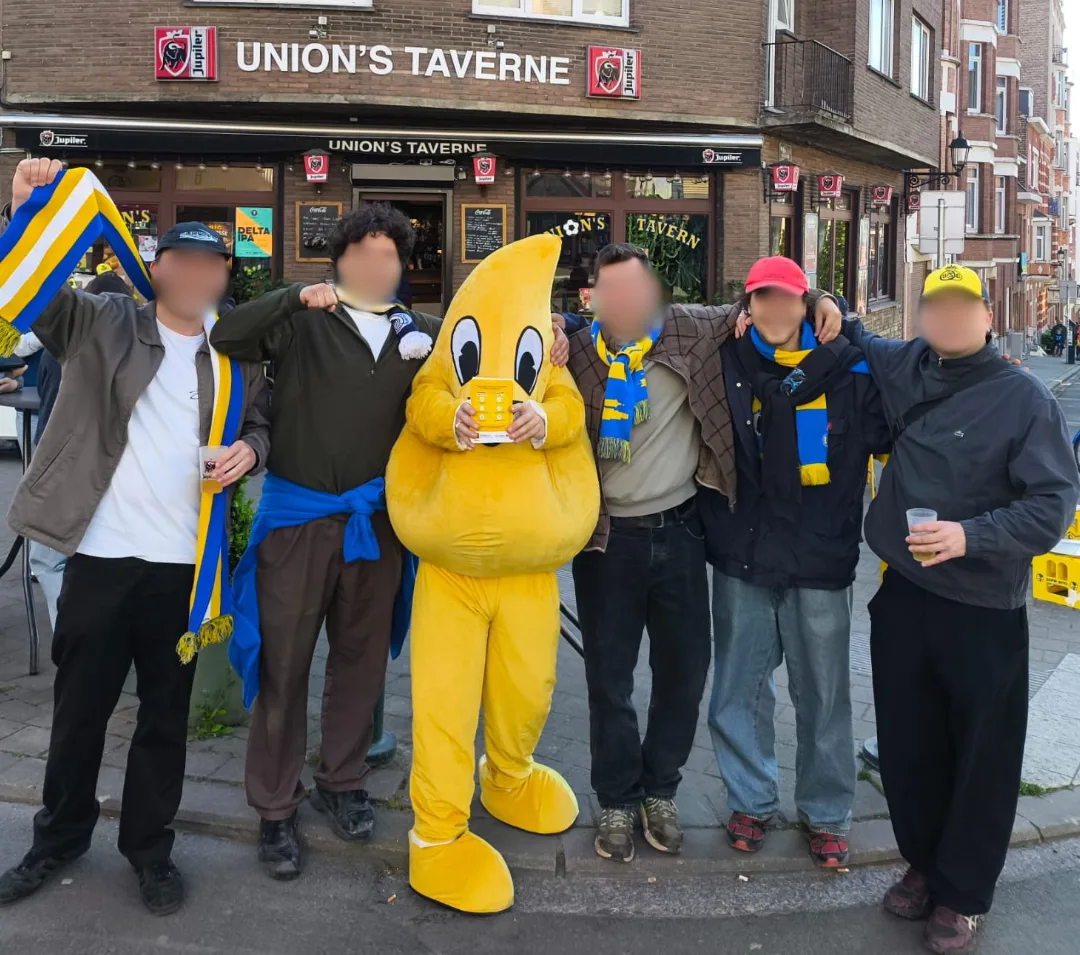
Urban marketing isn’t just about being visible or spreading a message. It relies on a balance between the right targeting, an effective hook and an engaging experience.
These three elements are closely linked. Without the right audience, the message reaches no one. Without a hook, it isn’t even noticed. And without an experience, it’s quickly forgotten.
In an urban environment where everything moves fast, a successful campaign is above all about managing to fit into the moment, capture attention in a few seconds and create an interaction that sticks.
These mistakes are common… but they’re not inevitable. Yuba Group helps you avoid them and create actions that genuinely attract and engage.