
At first glance, urban marketing and mobile advertising are booming in Belgium. From street campaigns to mobile media and interactive operations, these techniques offer unique opportunities to reach the public directly. Yet they are sometimes misunderstood. Here are 7 misconceptions that deserve clearing up.
1. “Urban marketing is just posters in the street”
Many think urban marketing is limited to billboards or posters. In reality, it covers every action in public space : pop-up installations, interactive performances, targeted distributions and immersive experiences. The aim is not just to show a message, but to create a direct connection with the public.
2. “Mobile advertising does not work for small businesses”
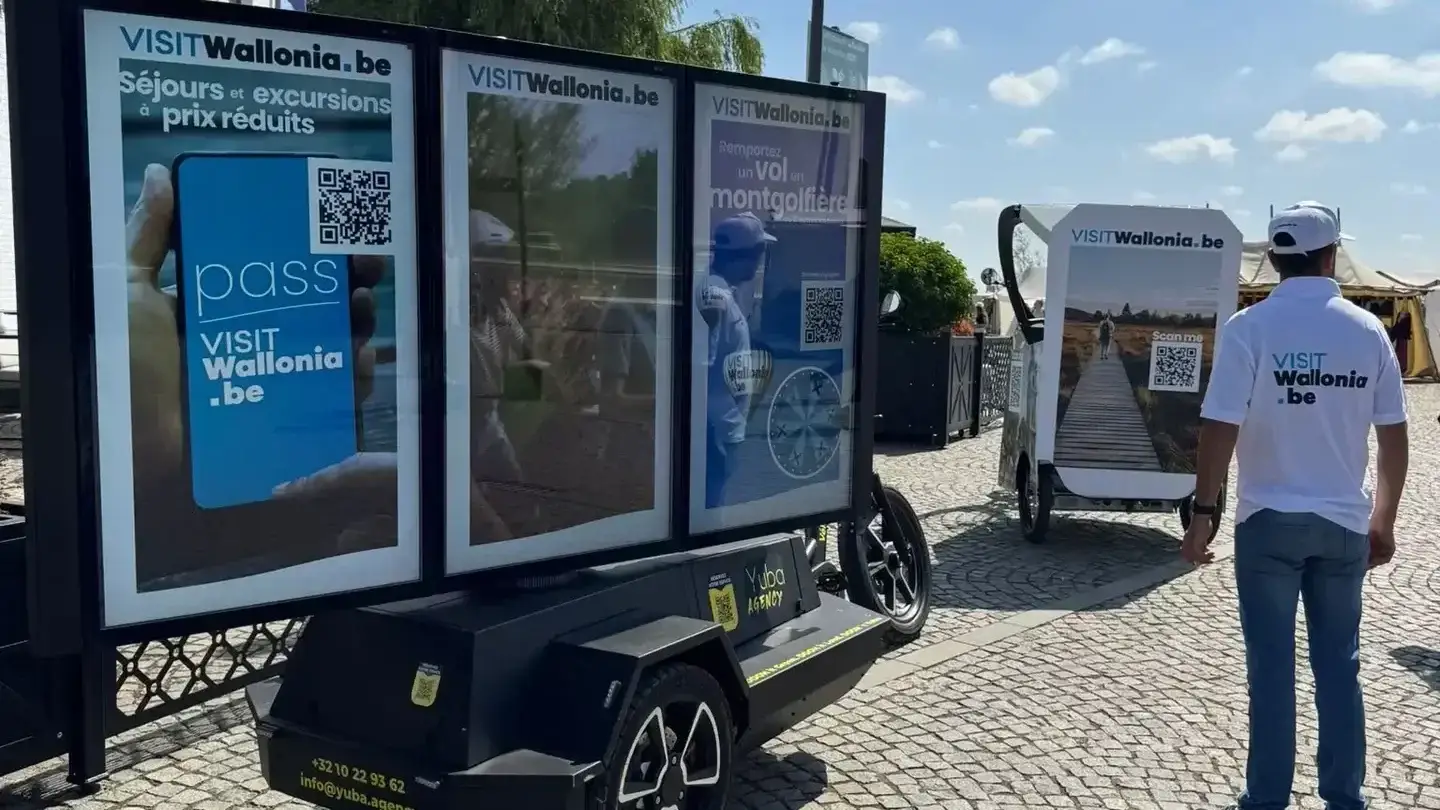
Some believe only large accounts can benefit from mobile media. On the contrary, mobile advertising, such as advertising trailers, bikes or targeted street marketing campaigns, lets small and medium-sized businesses gain local visibility and reach their customers directly.
3. “These campaigns cost too much”
Another misconception is that urban marketing is expensive. Yet compared with a large TV or digital campaign, it is often more affordable, flexible and adaptable to any budget. Costs depend on the media, the duration and the complexity of the campaign, but the impact can be very high even on a limited budget.
4. “You cannot measure the impact of mobile advertising”
Some think results are hard to measure. In reality, thanks to QR codes, digital interactions, social media reach and ambassador tracking, urban and mobile marketing campaigns provide precise indicators on engagement and return on investment.
5. “These campaigns are only for big cities”
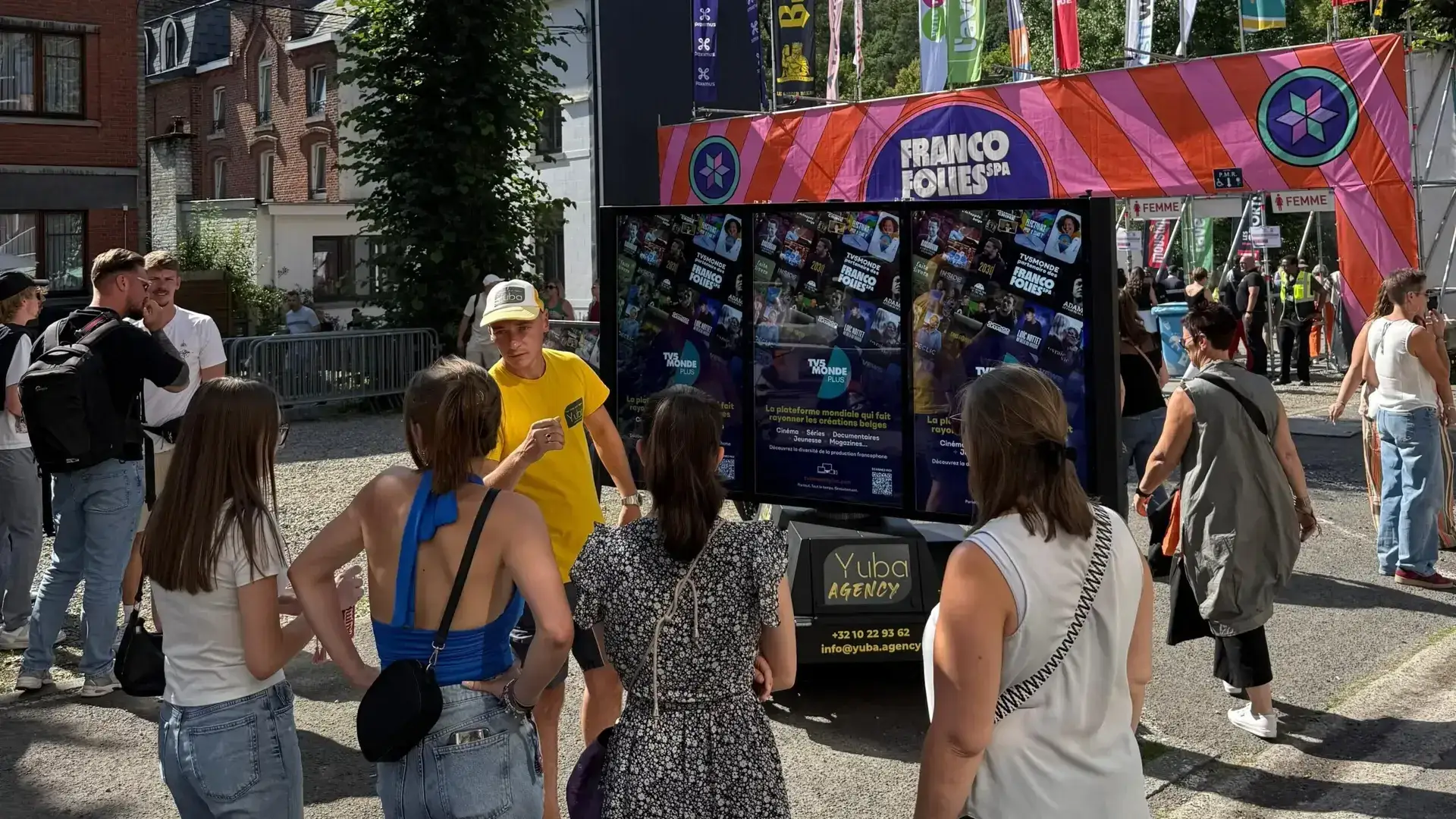
It is common to think urban marketing only works in major cities. Yet it is effective in any busy area, whether medium-sized towns, shopping districts or even one-off events such as festivals and markets. What matters is to target the place and time when the public is receptive.
6. “Urban marketing is intrusive”
Some fear that street actions may disturb or bother people. In reality, when they are carefully planned and creative, these campaigns become, on the contrary, a positive, engaging experience. They are interactive, playful and often surprising, which naturally draws attention and sparks the curiosity of passers-by. People do not just watch: they take part, touch, talk and get involved. This participatory side turns every campaign into a memorable moment, where the spectator truly becomes a participant, strengthening the impact and recall of the message.
7. “This kind of marketing is not modern”
Finally, some believe urban marketing has been overtaken by digital and that physical campaigns no longer have a place. In reality, mobile advertising and street marketing are not only relevant, they complement digital strategies perfectly. Street actions create authentic, engaging content, ideal for social media and can generate real viral buzz around a brand or event. They also boost online visibility while offering a tangible, direct experience to the public that screens alone cannot reproduce. Urban marketing and digital thus enrich each other, giving complete, memorable communication.
In summary
At first glance, urban marketing and mobile advertising are not limited to simple posters or vehicles: they are powerful tools for creating memorable experiences, direct engagement and local visibility, accessible to every business.
At Yuba Agency, we help our clients debunk these misconceptions and design urban and mobile campaigns that are creative, effective and measurable, perfectly suited to their goals.